
CAR-RI30 Series
Miniature and compact, lightweight design with hollow through-hole, suitable for small robots and precision automation equipment.
All RI30-40 versions
- Reduction Ratio: 51 / 101
- Rated Torque: 1.8~2.4 N·m
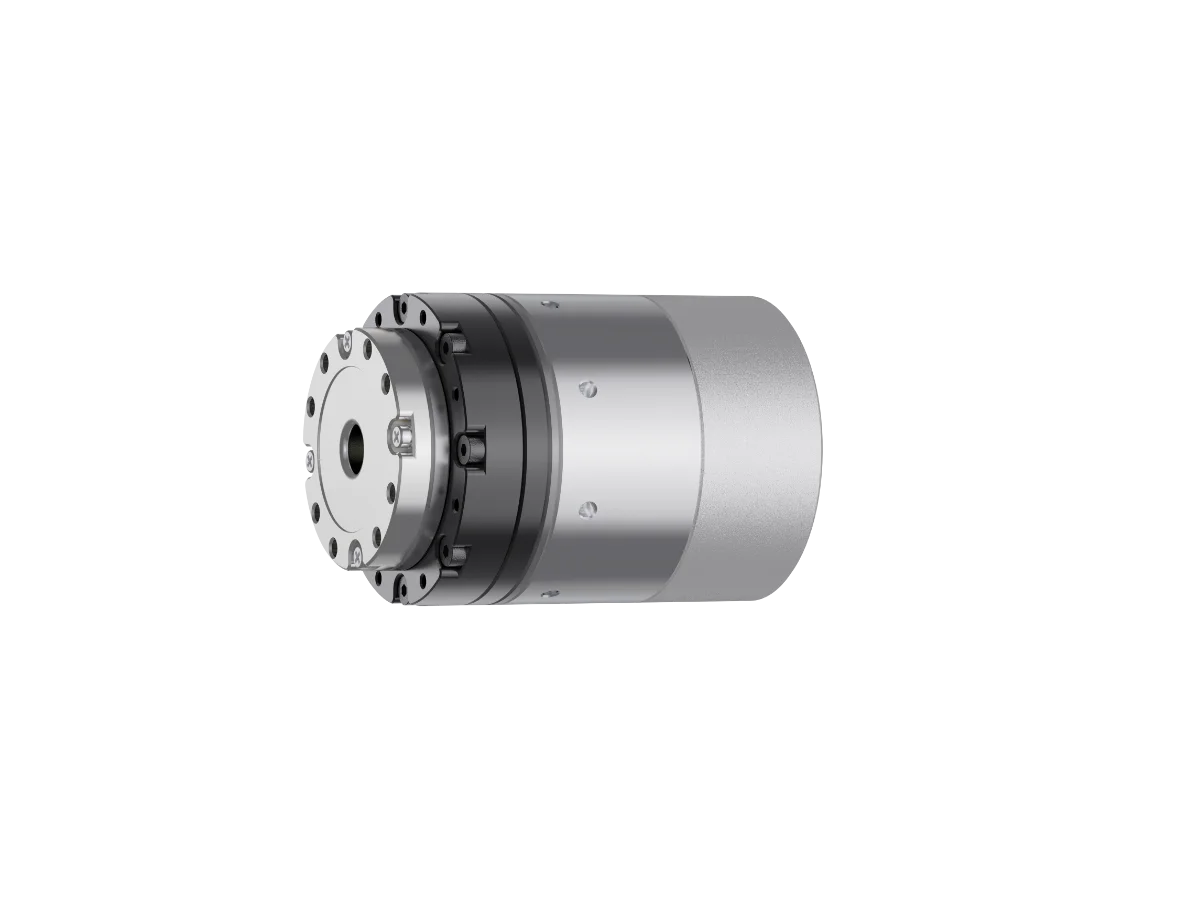
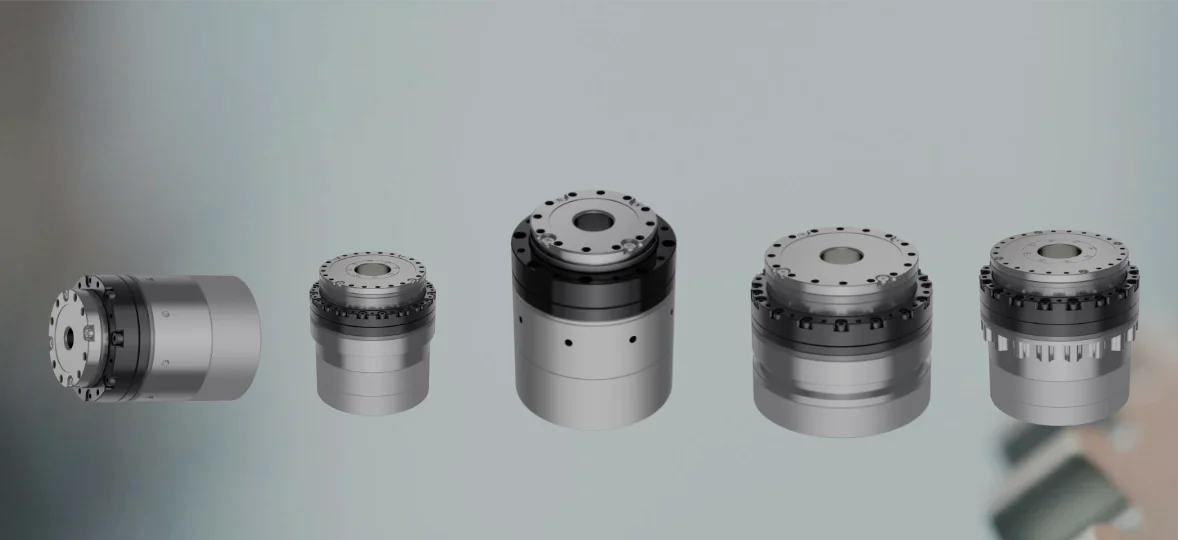
Miniature and compact, lightweight design with hollow through-hole, suitable for small robots and precision automation equipment.
All RI30-40 versions
Small size with high torque density and stable operation, ideal for collaborative robots and small precision transmission equipment.
All RI40-5-2 versions
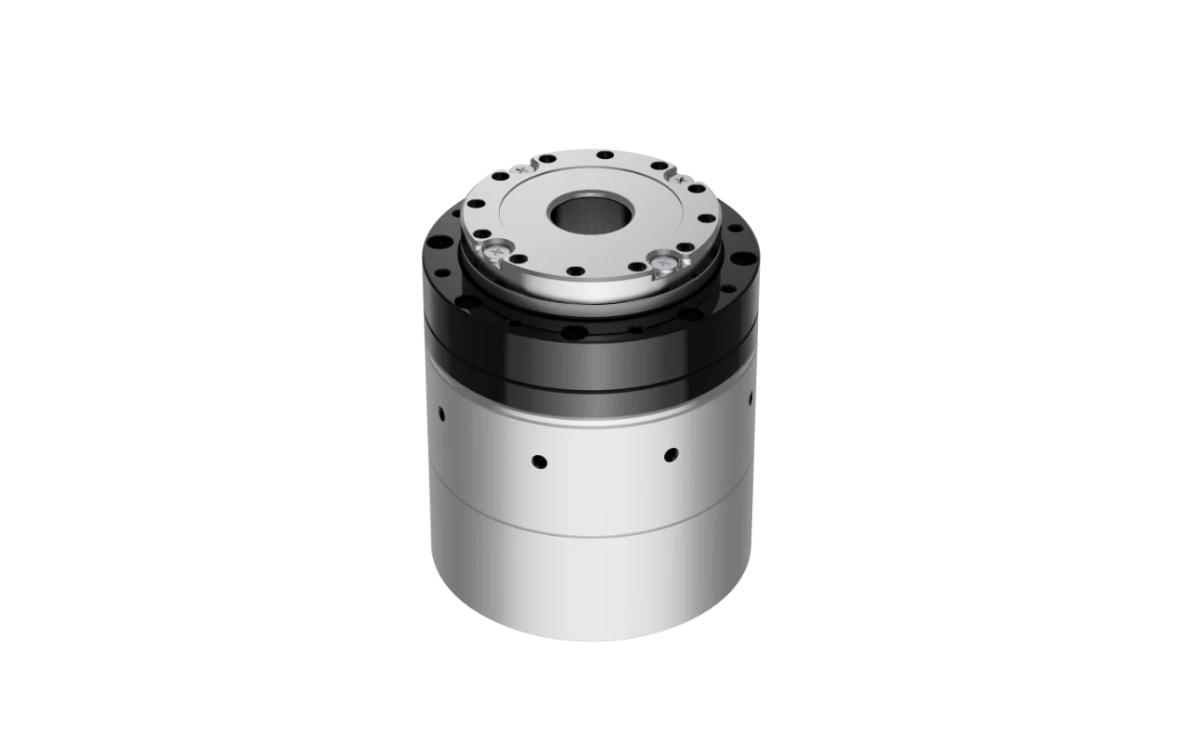
For All RI70-80 / RI70-90 versions
Heavy-duty structure, low noise and excellent impact resistance, applicable to AGV carts, intelligent warehousing and engineering machinery scenarios.
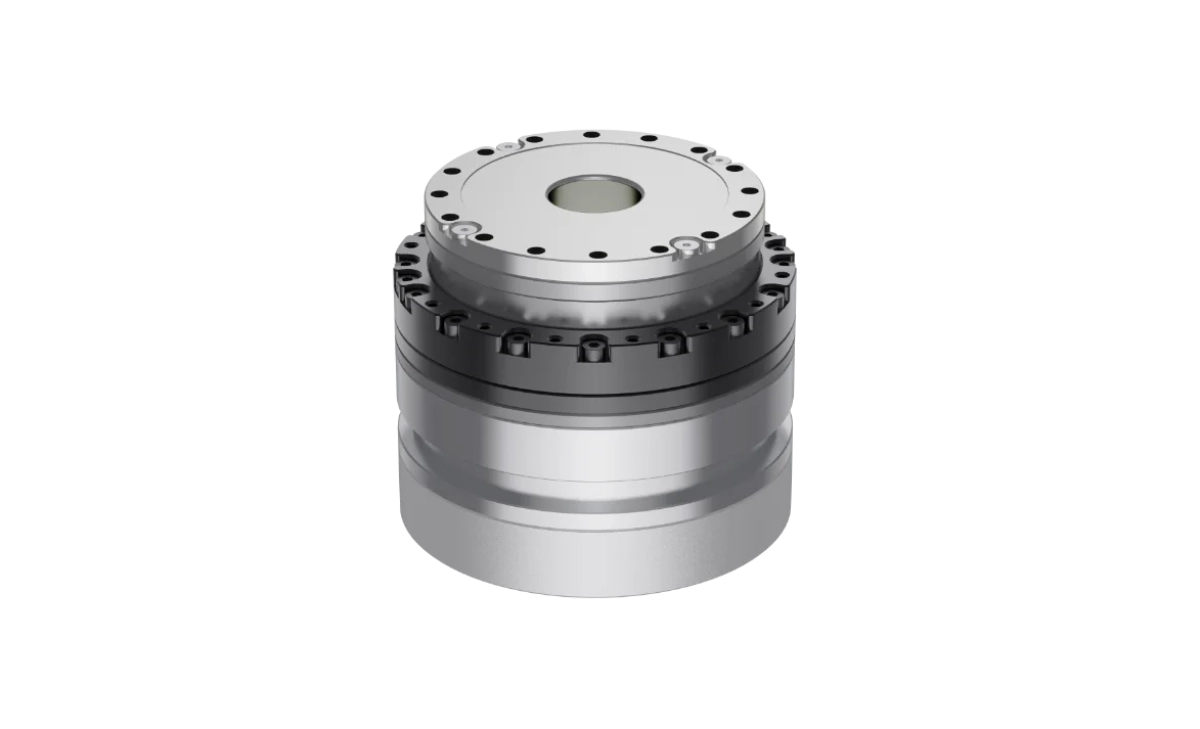
For all RI80-97 / RI80-110 versions
High-torque heavy-duty design with large-aperture hollow structure, meeting the usage requirements of lifting equipment, engineering machinery and heavy-load automation equipment.
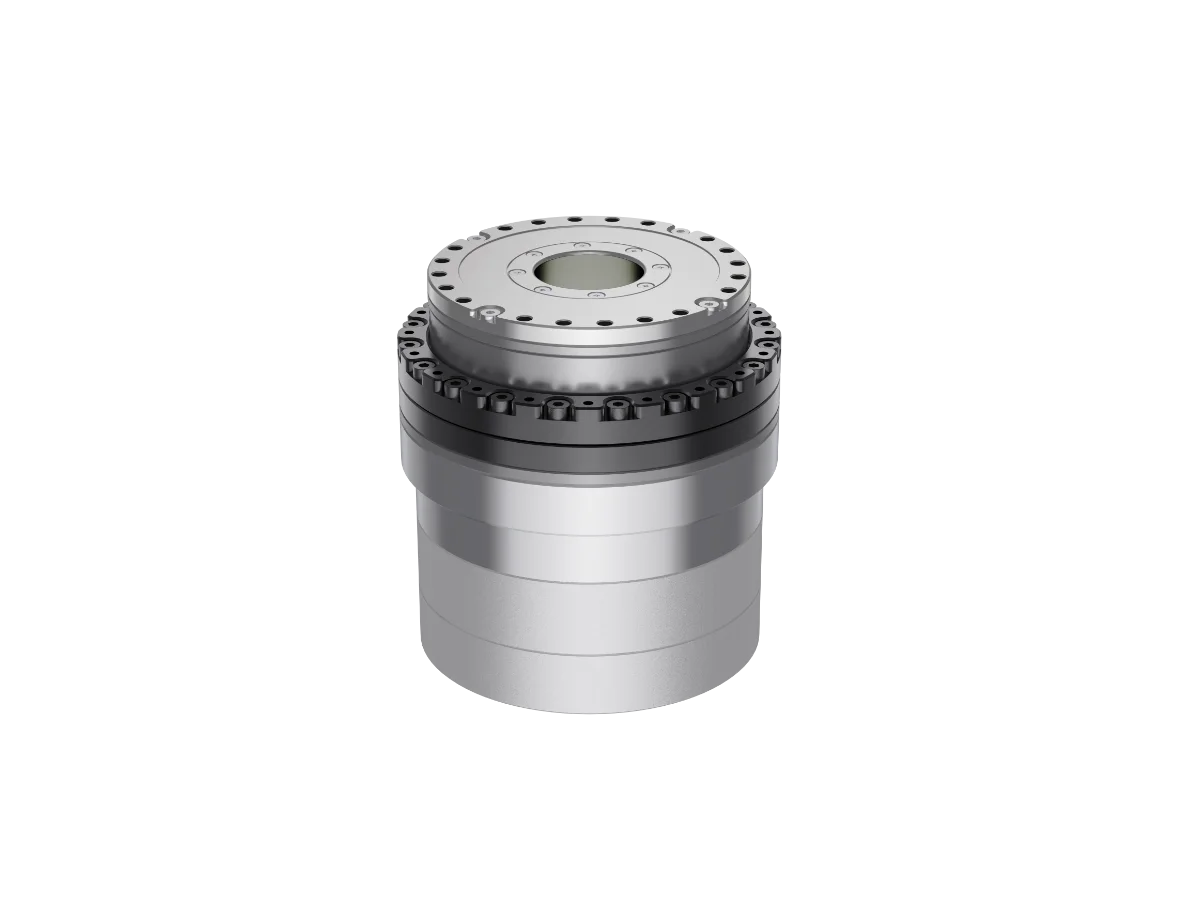
For all RI100-120 / RI110-142 versions
Ultra-high torque, high rigidity and outstanding impact resistance, adapted for large engineering machinery, amusement equipment and large transmission equipment.
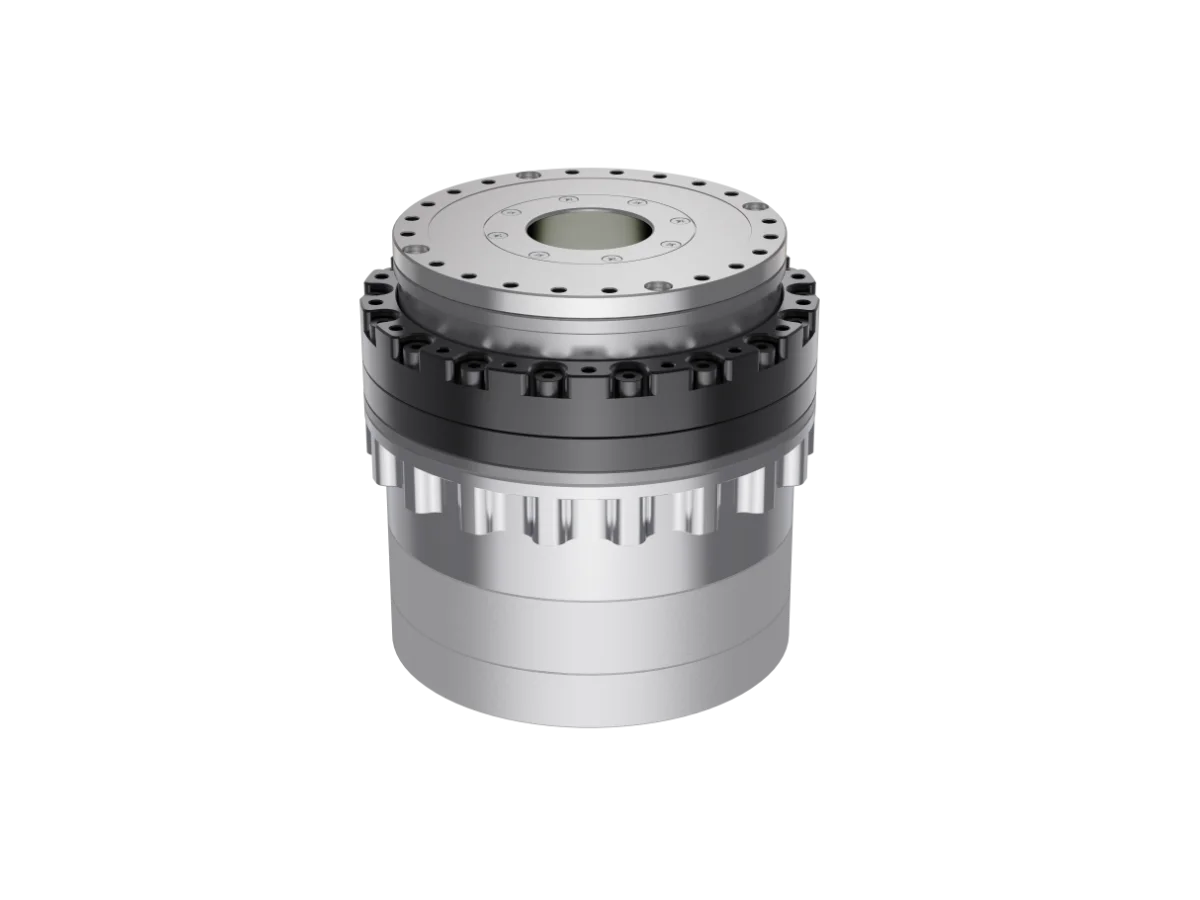
Our integrated joint modules achieve a peak torque density of 222 Nm/kg, matching the performance of high-end products in the industry.
Yes. Our hollow-shaft joints feature a hollow ratio above 11%, enabling convenient internal wiring for robots.
The hollow-shaft model has ultra-low backlash ≤ 1 arcmin, while the planetary model has backlash ≤ 3 arcmin. All units are fitted with 24-bit encoders for high positioning accuracy.
Yes. It combines brushless torque motor, reducer, multi-turn absolute encoder and servo driver into one compact module.
Equipped with built-in torque sensing and compliant mechanism, the joints can absorb shocks and protect the transmission system effectively.
CANopen and EtherCAT are standard supported protocols, delivering reliable real-time control for collaborative and humanoid robots.